
Located in the heart of Bengaluru, Shri Subramanya Swamy Temple is a revered spiritual destination dedicated to Lord Subramanya, the divine son of Lord Shiva and Goddess Parvati. The temple is known for its peaceful atmosphere, devotional energy, and sacred traditions that attract devotees from across the city and surrounding regions.
Situated at Mahadeshwara Temple Road, KHB Colony, Basaveshwar Nagar, Bengaluru, Karnataka – 560079, the temple serves as a center of faith, prayer, and spiritual harmony. Devotees visit the temple to seek the blessings of Lord Subramanya for courage, prosperity, protection, and success in life.
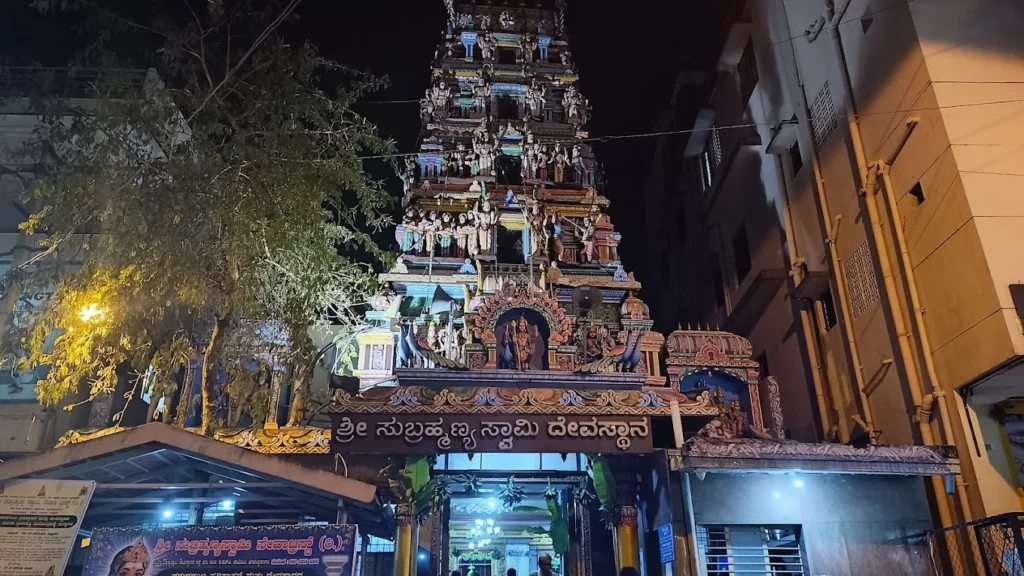
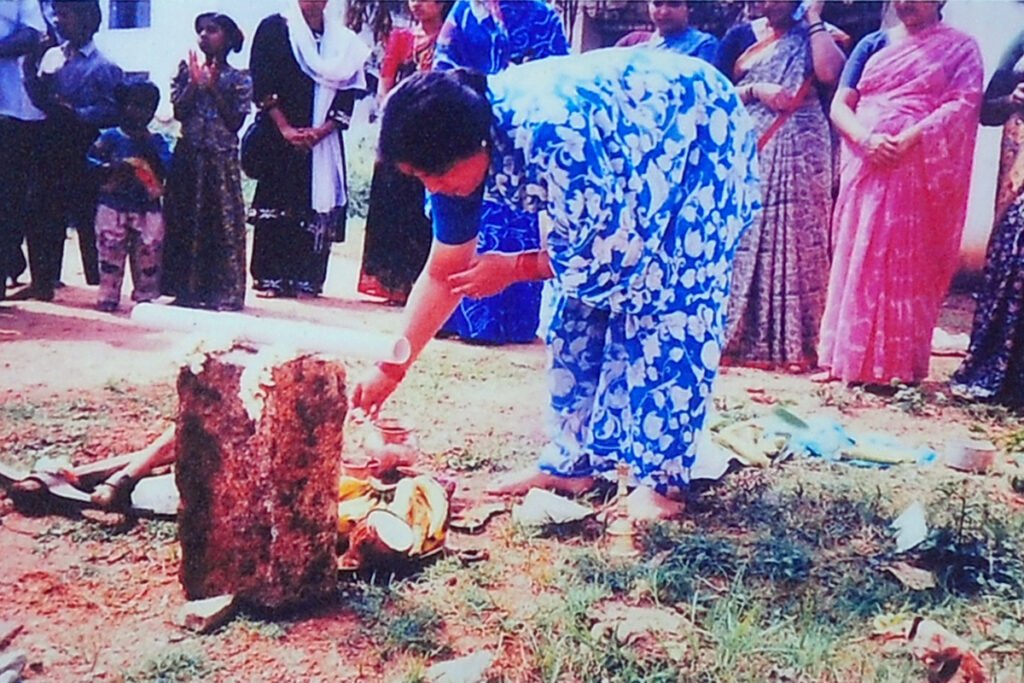
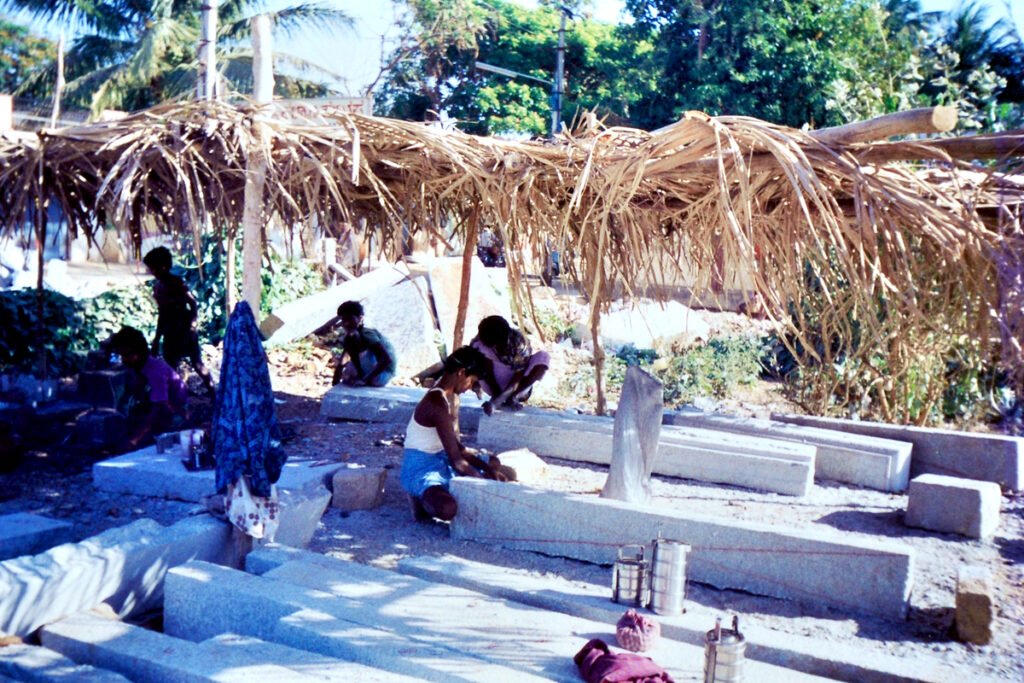
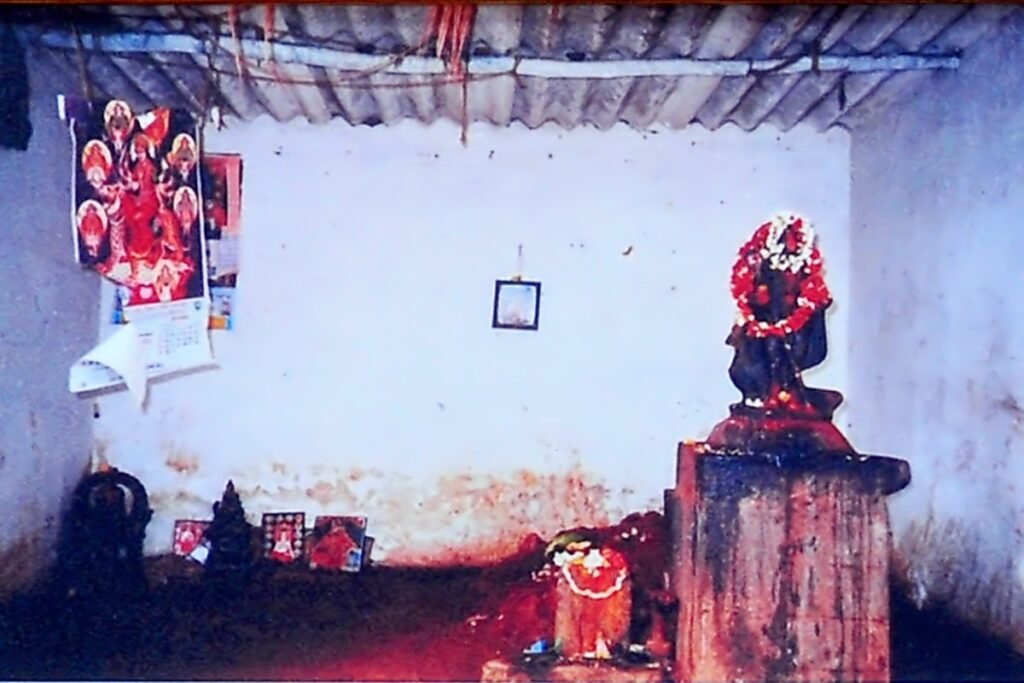
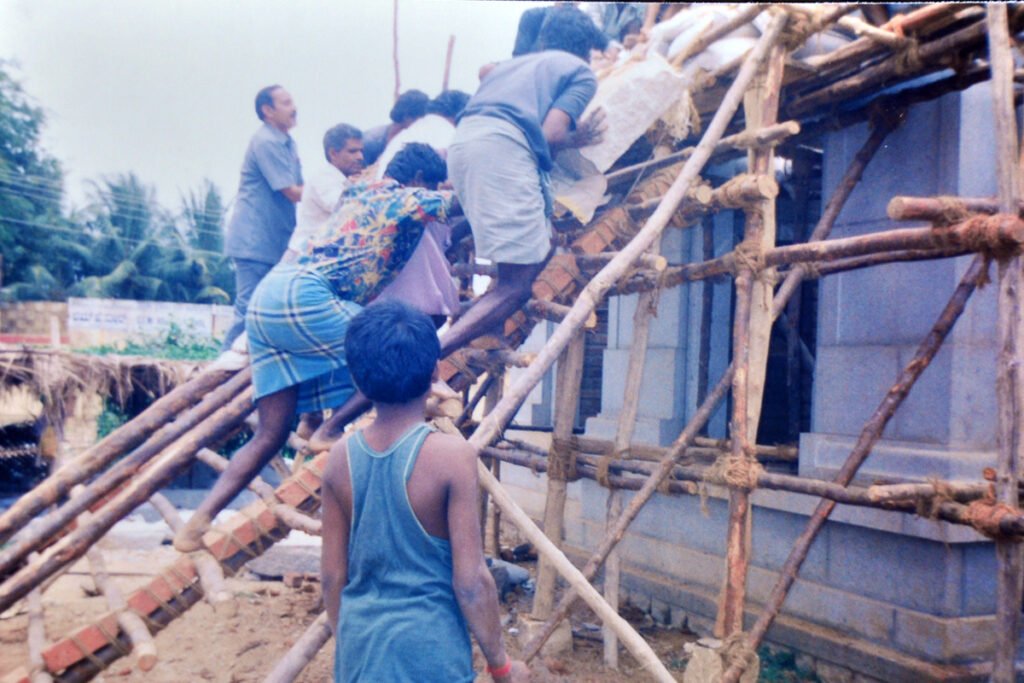
Nearly four decades ago, worship of Sri Subramanyaswami began in a small shed — a tradition that continues unbroken to this day. Through the generous support and contributions of devotees and the public, the temple has grown into a magnificent shrine housing Sri Mahaganapati, Sri Parvati Devi, and the Navagrahas (nine celestial deities).
On Monday, June 16, 1997, the consecration ceremony of Sri Mahaganapati, Sri Subramanyaswami, and Sri Parvati Devi was performed by the sacred hands of Sri Sri Sri Dr. Balagangadharanatha Mahaswamigalu, the then pontiff of the Adichunchanagiri Peetha.
On Friday, August 8, 1997, the concluding Kumbhabhisheka ceremony of the Mandalaaradhane was graced by the presence of Padma Vibhushan Dr. Sri D. Veerendra Heggade, the Dharmadhikari of Shri Kshetra Dharmasthala.
In response to the wishes of devotees, construction of the grand Rajagopura (entrance tower) commenced in 2007. Standing 30 feet tall across five tiers, the tower features five Kalashas (sacred pinnacles) and is adorned with approximately 83 sculpted figures. This magnificent structure was crafted by master sculptors from South India.
Every Tuesday, devotees offer milk for special Abhisheka. The temple is decorated on Monday nights in preparation. The Prakarotsava (ceremonial procession within the temple premises) is held every Tuesday and on Shuddha Shashti (sixth day of the bright lunar fortnight) each month at 8:00 PM.
A Satyanaarayana Vrata is observed every full moon (Pournami) evening, and Sankashta Hara Ganapati Vrata is performed every month on Bahula Chaturthi at moonrise.
The temple’s Garuda Kamba (sacred flagpole) was consecrated on Friday, December 6, 2024 by Sri Achappanagaraju and Sri Y. Lakshminarayana, and was inaugurated on Saturday, December 7, 2024.
On Friday, February 13, 2026, the pillar was adorned with a Panchaloga Kavacha (protective sheath made of five sacred metals).
It is a tradition to erect a Garuda Kamba or Deepastambha (lamp pillar) in front of Hindu temples. These pillars carry deep spiritual and symbolic meaning:
On Friday, February 13, 2026, Sri Ajjappanagaraju and Sri Y. Lakshminarayana devotedly offered a magnificent Panchaloga (five-metal) bell weighing 60 kilograms to Sri Subramanyaswami.